When choosing a temporary edge protection system , not only the dimensions of the product but also the application area, mounting surface, duration of use and site conditions must be evaluated together. Areas such as floor slabs, staircases, shafts, elevator openings and facade edges may require different connection and system solutions.
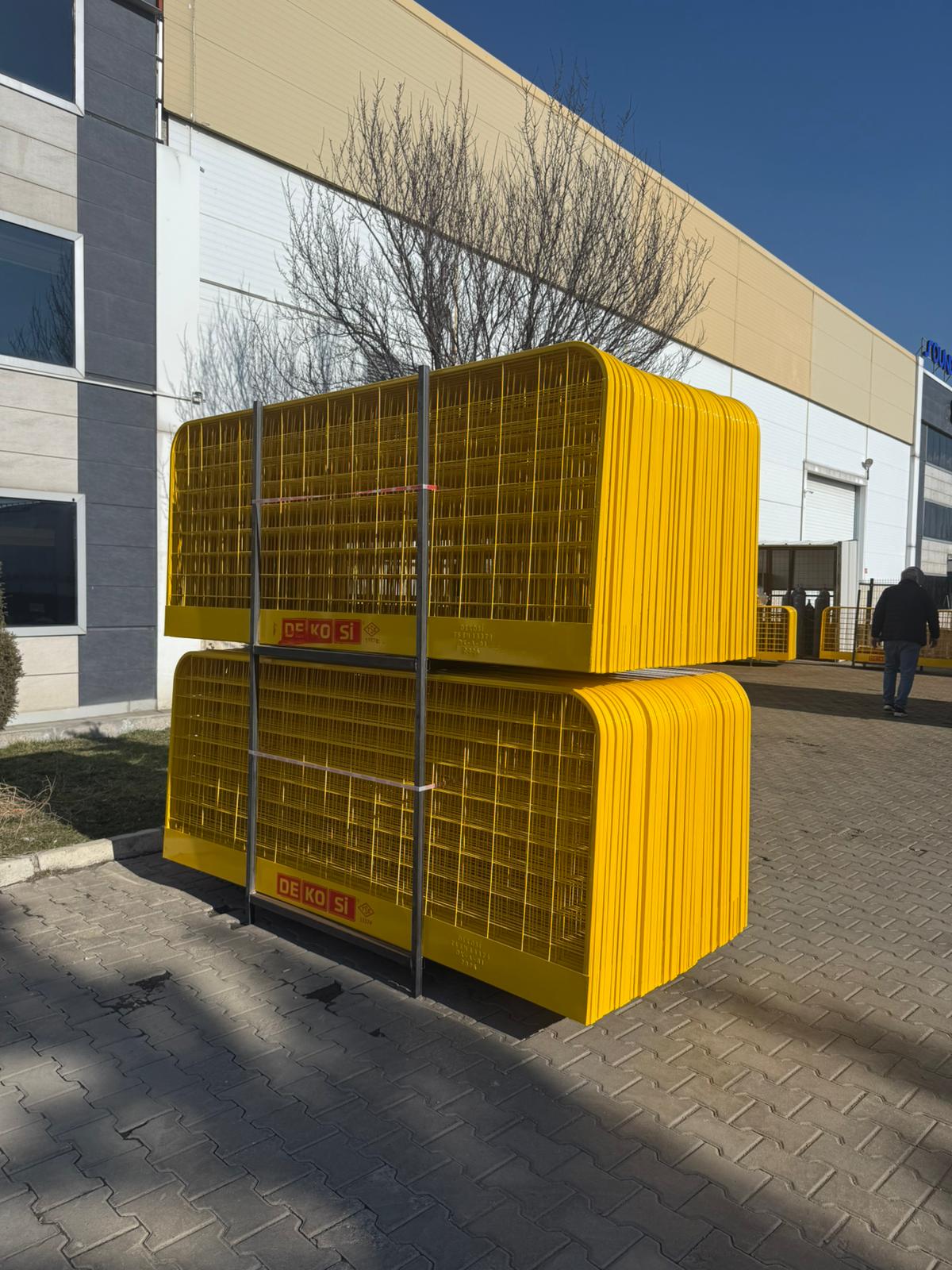
In order to determine the right system, the dimensions, surface structure, inclination and conditions of use of the application area must be examined. It must also be checked whether the product falls within the relevant system class and certification scope.
When choosing a temporary edge protection system, the application area and type of risk must first be determined. The same system or connection method may not be suitable for areas such as floor edges, stairwells, shafts, elevator openings and inclined working surfaces.
Application Area and Mounting Surface
Whether the system will be installed on a reinforced concrete slab, staircase, formwork, facade or a different building element directly affects the connection method. A system suited to the project conditions, capable of providing a secure connection without damaging the application surface, should be chosen.
System Class and Certification Scope
When choosing an edge safety barrier, it should not be considered sufficient that the product simply holds a standard certificate. Whether the certificate covers the type and class of system to be used must also be checked. For the conditions of use of Class A, Class B and Class C systems, you can review our guide to the TS EN 13374 standard and system classes.
Installation, Dismantling and Reuse
For short-term applications or applications repeated in different sections, systems that can be easily installed, dismantled and reused may provide an operational advantage. Installation time, the required fasteners, and storage and transport conditions should also be evaluated when making a choice.
Site Conditions and Durability
The environmental conditions to which systems used outdoors will be exposed during the project must be taken into account. Material structure, coating, fasteners and system integrity should be evaluated on the basis of the operating environment and the manufacturer's technical documents.
Temporary edge protection systems are products that provide effective protection because workers have to work in elevated areas during large-scale industrial activities such as construction, maintenance and repair. When working in such places, there is always a risk of falling through edge openings. Because this can sometimes result in serious injury, temporary edge protection systems increase workers' occupational safety by minimising possible risks.
In order to determine the edge protection system suited to the project, the dimensions of the application area, the ground or connection surface, the inclination of the working area, the quantity of product required and the estimated duration of use should be shared.
Photographs showing the area from different angles, technical drawings and project details make it easier to evaluate the right product and connection method. Product options and pricing suited to the application area can be prepared based on this information. To get information and a price quotation for the temporary edge protection system suited to your project, you can share the technical details with us.
The dimensions, surface structure and inclination of the application area, the quantity of product and the duration of use should be shared. Technical drawings and site photographs make it easier to evaluate the right system.
Yes. Whether the system is installed on a reinforced concrete slab, staircase, formwork, facade or a different building element directly affects the connection method.
No. Floor edges, stairwells, shafts, elevator openings and inclined surfaces may require different connection and protection solutions.